

No matter how hard you want to serve a fancy 30-course dinner each night to prove you're the best mom/dad on the block, the truth is you only have 30 minutes at most before kids eat each other alive or start reaching for some snack from underneath their bed. At least this is true for our family. So we try to keep it simple, yet delicious (and sugar-free, of course!).
After 5+ years of feeding four kids while maintaining our sanity (most days), we've cracked the code on weeknight dinners that actually work for us. Not the Pinterest-perfect meals that require three hours and ingredients you've never heard of, but real solutions for real families who need dinner on the table before the hangry monster takes over.
The Reality of Weeknight Dinners (Let's Be Honest)
Here's what weeknight dinners actually look like in most homes:
- Someone forgot to defrost the chicken (again)
- The 8-year-old suddenly declares they "hate" the vegetable they loved last week
- You're staring into the fridge, hoping dinner will magically appear
- Everyone's hungry NOW, but you haven't even started cooking
- The baby is crying, homework needs supervision, and dinner needs to happen simultaneously
Sounds familiar? You're not alone. And it doesn't become easier when you're on a sugar-free lifestyle track.
Why 30 Minutes is the Magic Number
Through trial, error, and countless family dinners, we've discovered that 30 minutes is the sweet spot for weeknight cooking. Here's why:
It's realistic for busy schedules - You can actually fit this into your evening routine without feeling like you're running a restaurant.
Kids can wait (barely) - Most children can hold it together for 30 minutes if they know food is coming. Much longer and you're dealing with meltdowns.
You can prep while cooking - Enough time to get organized without feeling rushed, but not so much time that you lose momentum.
Quality doesn't suffer - Thirty minutes allows for proper cooking techniques without resorting to processed shortcuts.
The Four Pillars of 30-Minute Success
Pillar 1: Strategic Meal Planning (Your Secret Weapon)
The difference between chaos and calm is having a plan. But we're not talking about elaborate meal planning that takes hours every Sunday. We're talking about smart, simple systems.
The Weekly Reality Check: Every Sunday, spend 15 minutes looking at your week. Soccer practice on Tuesday? That's a slow-cooker day. Late meeting on Wednesday? Perfect for meal prep leftovers.
The Protein Foundation: Start with your protein for the week. Having chicken, ground beef, and eggs on hand covers 90% of our quick dinner needs.
The Backup Plan: Always have ingredients for three emergency meals. For us, it's noodles/spaghetti with hidden veggie sauce, mac and cheese, and our tuna pasta salad.
Pillar 2: One-Pot Magic (Less Cleanup = More Sanity)
If you're washing more than two pans after dinner, you're missing a shortcut. One-pot meals aren't just convenient - they're a survival strategy for busy families.
Why One-Pot Works:
- Everything cooks together, flavors meld beautifully
- Less prep time, chopping for separate dishes
- Cleanup is actually manageable
- Kids can't pick out ingredients as easily (sneaky parent wins!)
Our Go-To One-Pot Categories:
- Skillet meals: Everything cooks in one large pan (think this flavorful risotto!)
- Sheet pan dinners: Toss it all on a pan and bake (love this spring salmon with veggies!)
- Slow cooker magic: Set it and forget it (this way, you can actually take care of dinner while you're having breakfast!)
- Steam cooker magic: That's actually our favorite shortcut, as it significantly reduces the cooking time and allows us to have a healthy and flavorful dinner in almost no time (perfect for stews!)
- Soup and stew solutions: Hearty, filling, and forgiving
Some of our family's most requested dinners are one-pot meals, like our creamy one-pan pork chops, which disappear faster than we can make them, and our one-pot risotto with shrimp, which has converted even our pickiest eaters.
Pillar 3: The Art of Sneaky Nutrition
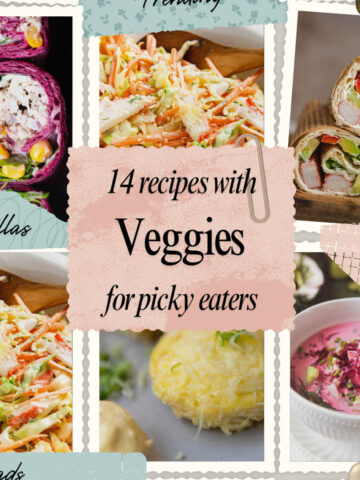
Let's address the elephant in the room: getting kids to eat vegetables. We've tried the "you must eat three bites" rule, the "it's good for you" speech, and the bribery method. What actually works? Making vegetables invisible (or at least irresistible).
Our Stealth Veggie Strategies:
- Blend it in: Cauliflower in mashed potatoes, spinach in smoothies, zucchini in brownies, or carrots in tomato sauce
- Make it fun: Veggie "noodles," colorful stir-fries, rainbow salads
- Lead with flavor: Roasted vegetables with garlic and herbs taste amazing to everyone
- Involve them: Kids are more likely to eat vegetables they helped prepare (this is a huge one!!)
Real Talk: Not every vegetable attempt succeeds. Our kids still eye broccoli suspiciously, but they devour our Hidden Veggie stir-fries and beg for seconds of a shushi cake.
The key is persistence without pressure. Keep offering, keep trying new preparations, and celebrate the small wins.
Pillar 4: Budget-Smart Solutions
Feeding a family healthy, sugar-free meals doesn't have to break the bank. We've learned to maximize nutrition while minimizing cost through strategic shopping and cooking.
Money-Saving Meal Strategies:
- Batch cooking proteins: Cook once, eat three times (or even more!)
- Embrace affordable cuts: Slow (or pressure) cooking makes even tough cuts tender and delicious
- Seasonal produce: Work with what's abundant and affordable (and grow your own food, if possible, or buy from the local farmers to support them and feed your family with healthy, fresh produce of known origin)
- Stretch more expensive ingredients: A little cheese or nuts goes a long way, and the meat sauce can be stretched to feed more people without sacrificing the flavor
Our Budget Heroes:
- Eggs (protein powerhouse that kids actually like)
- Ground turkey/beef/pork (versatile and filling)
- Seasonal vegetables (cheaper and tastier)
- Dried beans and lentils (filling and nutritious)
Your 30-Minute Dinner Game Plan
Week 1: Master the Basics
Start with simple, foolproof recipes that your family already enjoys. Focus on perfecting your timing and getting comfortable with the 30-minute limit.
Recommended Week 1 Dinner Meals:
- Monday: Chipotle chicken pasta
- Tuesday: Lavash wrap or tortilla wrap with veggies
- Wednesday: Creme fraiche smoked salmon pasta
- Thursday: Honey chicken salad
- Friday: Creamy tomato soup
- Saturday: Poke bowl (with the protein of your choice) or mashed potatoes with ground pork sauce
- Sunday: Chicken julienne (it may take 10 extra minutes, but hey, it's Sunday!)
Treat yourself and your loved ones to a delicious sugar-free chocolate date bark, and give yourself a pat on the back for a successful first sugar-free week!
Week 2: Add Complexity
Once you've got the basics down, introduce meals with a few more steps or ingredients. The key is building confidence gradually.
Week 3: Experiment and Customize
Start adapting recipes to your family's preferences. Swap vegetables, try different proteins, adjust seasonings. Make it yours.
The Secret Sauce: Flexibility
Here's what we've learned after thousands of family dinners: the best meal plan is the one you'll actually follow. Some nights, 15-Minute Scrambled Eggs with Hidden Veggies is a perfectly acceptable dinner. Other nights, you'll have time for Slow Cooker Beef Stew that's been cooking all day.
Give yourself permission to:
- Serve breakfast for dinner sometimes (it's easy with these egg muffins!)
- Use pre-cut vegetables when time is tight
- Have a rotation of five go-to meals for crazy weeks
- Order pizza occasionally (even the best intentions need backup plans)
Real Family, Real Results
After implementing these strategies, our weeknight dinners transformed from chaotic affairs to something we actually look forward to. The kids know what to expect, we're not stressed about what to cook, and everyone gets fed without drama (most nights).
Your Next Steps
Ready to revolutionize your weeknight dinners? Start small:
- Choose three 30-minute recipes from our collection that your family would enjoy and decide on the keepers once you've tried and tested them
- Plan one week using our simple meal planning approach
- Stock your pantry with the basic ingredients you'll need
- Try one new recipe each week to build your repertoire
Remember, this isn't about perfection - it's about progress. Every family dinner that happens without stress is a win. Every vegetable eaten without complaint is a victory. Every night you sit down together is a success.
What's your biggest weeknight dinner challenge? Share in the comments below - we love helping families find solutions that actually work!



Share your comments, rate, or ask a question!